

Basic education is the first step in a child’s learning journey. It helps young learners understand the world around them in a simple and clear way.At this stage,children begin to read,write, count,and communicate.
These early lessons shape how they think,behave,and grow.When learning starts strong, children feel confident and curiousThis confidence stays with them as they move forward in school and lifeThis early learning phase also builds habits that last forever..
Children learn how to listen,follow rules,and work with others.They begin to ask questions and share ideas Families teachers and schools all play a role in making this stage successful.When children receive the right guidance early on they are more likely to succeed in higher classes and daily life.
What Is Basic Education and Why Does It Matter
Basic education is the stage where children learn essential academic and life skills. It usually covers early schooling years and focuses on simple subjects like language, numbers,and general knowledge.
This learning level helps children develop thinking ability,emotional strength,and social skills. Without this foundation future learning becomes difficulThis learning phase matters because it shapes a child’s mindset.Children learn discipline respect and responsibility
They understand right and wrong and learn how to express feelings in healthy ways. Communities also benefit because educated children grow into responsible adults.A strong early learning system supports national progress reduces poverty, and promotes equality.
Core Learning Areas in Basic
Basic education includes several learning areas that support complete child growth.Language learning helps children speak clearly and understand others. Math lessons improve counting, problem-solving,and logical thinking.Science introduces simple ideas about nature,health, and the environment.
Social studies teach children about family,culture,and community value.Creative activities like drawing,singing,and storytelling improve imagination.Physical learning through games builds strength and coordinationTogether, these areas help children grow mentally,socially and physically.Balanced learning ensures that no part of development is ignored.
Role of Teachers in Basic Education
Teachers play a powerful role in shaping young minds In basic education,educators act as guides,mentors,and role modelsThey create a safe space where children feel free to learn and ask questions. A kind teacher helps students feel valued and respected.
Good teaching methods use stories pictures,and activities to explain ideas.Teachers also observe each child’s learning style and adjust lessons.Their experience helps identify learning difficulties early.With proper training and dedication,teachers can turn simple lessons into meaningful experiences that inspire lifelong learning.
How Parents Support Early 
Parents are a child’s first teachers. At home,children learn manners language,and daily habits. When parents show interest in schooling children feel motivated.Simple actions like reading together or helping with homework make a big difference.
Parents also support emotional growth by encouraging effort instead of results.Talking to children about school builds trust and confidence.When families and schools work together, children receive consistent guidance.This teamwork strengthens learning outcomes and helps children perform better both academically and socially.
Importance of Compulsory Education for Society
Compulsory education ensures that every child gets a chance to learn.It protects children from child labor and early neglect.When schooling is mandatory,more children attend classes and gain essential skills.This creates equal opportunities for all.
A society with educated citizens is more stable and peaceful.People make better decisions and contribute positively.Compulsory education reduces crime and unemployment It also empowers individuals to understand their rights and responsibilities.Governments invest in this system to build a strong and informed nation.
How Basic Education Builds 
Basic education does more than teach books It helps children learn how to solve problems and make decisions Group activities teach teamwork and patience. Children learn how to share,wait their turn,and respect others.
Time management and discipline are also developed early.Students learn to follow schedules and complete tasks.These habits prepare them for future challenges.Life skills gained during early schooling help children become confident,independent, and responsible individuals.
Relationship Between Basic Education and Future Success
Strong early learning leads to better results in higher education.Children who understand basics find advanced subjects easierThey participate more in class and perform well in exams. Confidence gained early reduces fear of failure.
This learning stage also affects career growth later in life. Skills like reading,writing,and thinking clearly are essential for all professions.When children start learning the right way,they build a path toward success.Early education creates a strong base for lifelong achievement.
How Schools Improve Primary Level Education
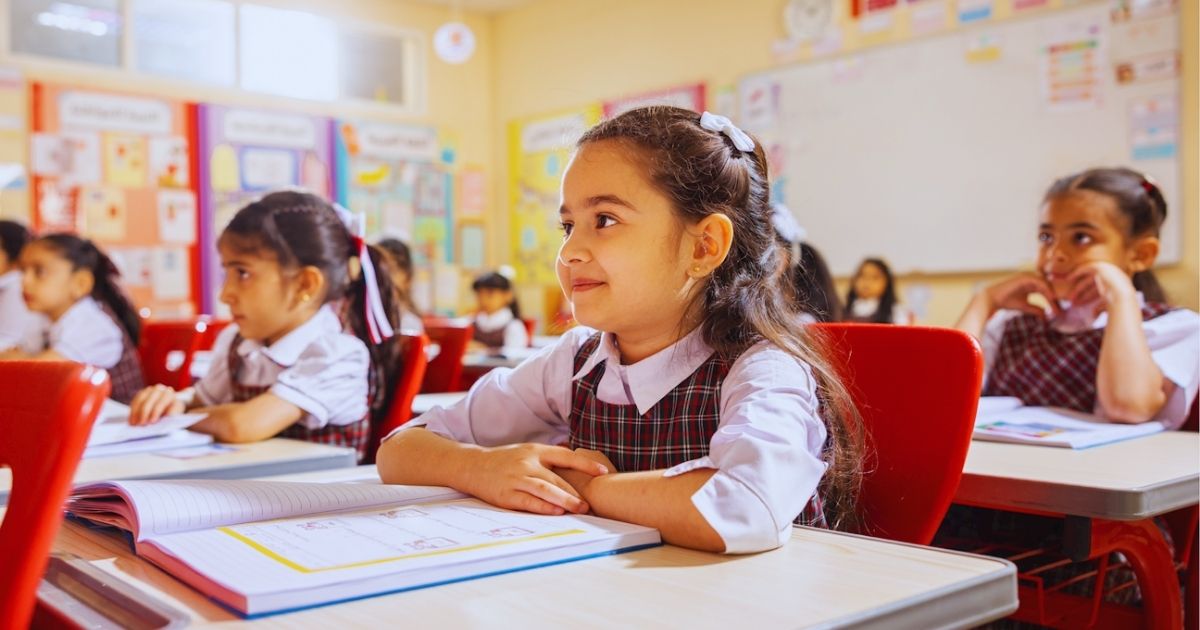
Schools play a key role in shaping learning experiences.A positive school environment makes children feel safe and happy. Clean classrooms learning tools and trained staff improve understanding.Interactive teaching methods keep students engaged.
Schools also encourage moral values and healthy habits.Morning assemblies,sports, and group tasks promote discipline and teamwork.When schools focus on quality rather than quantity, children benefit more.A caring school culture supports both academic and emotional growth.
Challenges in Basic Education 
Many regions face difficulties in providing quality learning Lack of trained teachers,poor facilities, and limited resources affect outcomes.Some children drop out due to poverty or family issues. These challenges slow down progress.
However,solutions exist.Community support,teacher training,and digital tools can improve access. Governments and organizations work together to strengthen early learning systems. With proper planning and support,these challenges can be reduced over time.
Conclusion
Basic education shapes a child’s future in powerful ways.It builds thinking ability emotional strength,and social values.When children receive quality learning early,they grow into confident learners This stage creates habits that support success in school and life A strong foundation helps children face challenges with courage and curiosity.
Investing in basic education benefits individuals and society as a whole.Families, teachers,and governments must work together to support this learning phase.When children receive proper guidance at the start,they are more likely to succeed later A strong early learning system creates a brighter and more stable future for everyone.
FAQs
What is basic education?
Basic education is the first stage of formal learning where children gain reading,writing, and thinking skills needed for future studies.
Why is basic education important for children?
Basic education helps children build confidence,social skills,and learning habits that support long-term academic growth.
Is basic education the same as primary level education?
Basic education usually covers primary level education and focuses on early academic and life skill development.
How does compulsory education help society?
Compulsory education ensures every child attends school,reducing inequality and supporting national development.
Who is responsible for improving basic education?
Parents,teachers,schools,and governments all share responsibility for improving basic education quality.