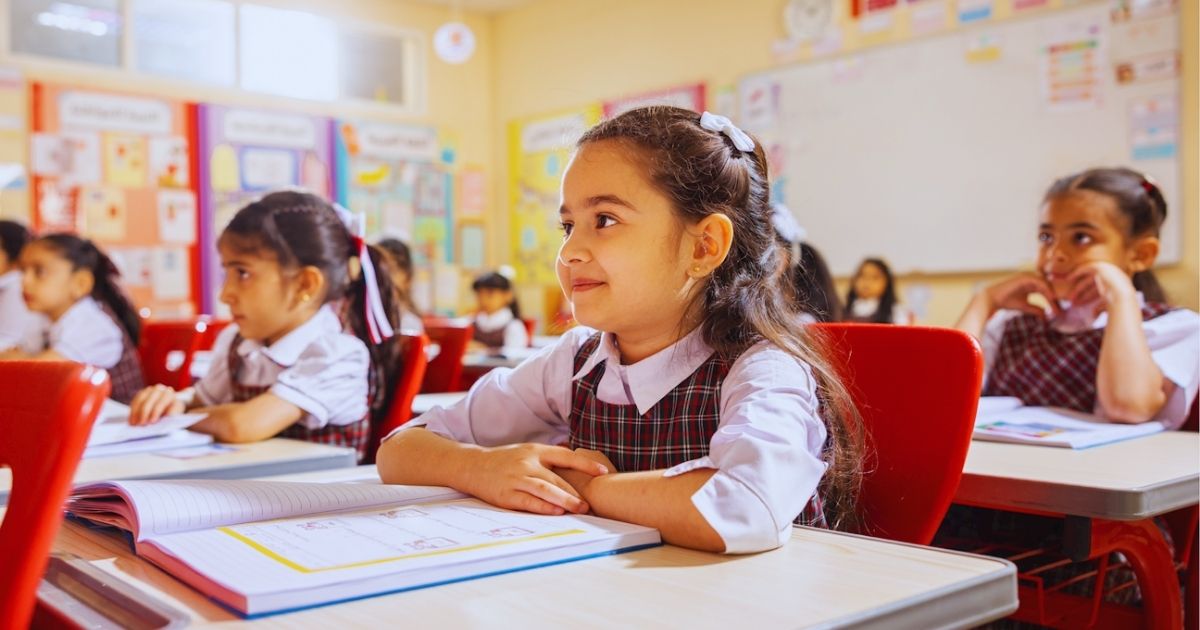



Elementary education is the most important stage in a child’s learning journey.It is the time when children learn how to read,write,think,and understand the world around them.Without a strong base at this level,students often struggle in higher classes.
Many parents and teachers worry about how to give children the best start in life.The solution is clear:quality elementary educationThis stage helps children grow academically,socially,and emotionally It prepares them not only for school but also for real life.
What Is Elementary Education
Elementary education is the first formal stage of schooling after early childhood learning. It usually covers grades 1 to 5 or 6,depending on the education system.Elementary education is the first formal stage of learning that children receive after early childhood education.It usually begins around the age of six and focuses on teaching basic skills such as reading,writing, mathematics,and simple science.At this level, students also learn important values like discipline,teamwork, and respect.Elementary education helps build a strong learning foundation, preparing children for higher classes and lifelong education.
At this level, children learn
- Basic reading and writing
- Simple mathematics
- Science and social studies
- Moral values and discipline
Education Meaning Explained Simply

The elementary education meaning refers to basic and essential education given to young children to develop core academic and life skillsThe meaning of elementary education is basic learning that helps children understand the fundamentals of school and life.It focuses on teaching young students essential skills like reading,writing,counting, and communicationThis stage of education helps children develop good study habits confidence,and curiosit making it easier for them to learn more complex subjects in the future.
In simple words, it means
- Learning the basics
- Understanding how school works
- Developing good habits
- Preparing for higher education
Importance of Education
Elementary education plays a key role in shaping a child’s future.It is important because:Elementary education is important because it builds the foundation for a child’s future learning and personal development.During this stage,children develop basic academic skills, critical thinking and positive learning habits.It also helps improve social skills,emotional growth, and self-confidence.A strong elementary education makes it easier for students to succeed in higher classes and become responsible knowledgeable individuals
It teaches discipline and responsibility
- It builds confidence in learning
- It improves thinking and problem-solving skills
- It teaches discipline and responsibility
- It supports emotional and social growth
Why This Stage Matters Most
Research shows that students with strong foundation education:
- Learn faster in higher classes
- Have better communication skills
- Show positive behavior
Foundation Education Building
Foundation education is closely connected to education.It focuses on building strong basics that last a lifetime.Foundation education focuses on developing the basic skills that children need for lifelong learning. It helps students build strong abilities in reading, writing, counting,and communication at an early stage. By strengthening these basics,foundation makes learning easier and more enjoyable in later yearsallowing children to understand new concepts with confidence and clarity.
Key Areas of Foundation Education
- Literacy (reading and writing)
- Numeracy (basic math)
- Communication skills
- Social behavior
Early Child Education vs Elementary 
Many people confuse early child education with elementary education,but they are different stages.Early child education and elementary education are two important but different stages of learning. Early child focuses on play-based activities that help young children develop social,emotional,and motor skills, usually before the age of six.
Elementary education begins after this stage and provides structured learning in subjects like reading,writing,and mathematics.While early child education prepares children for school, elementary education builds academic knowledge and learning habits needed for future success.
Early Child Education
- Ages 3–5
- Play-based learning
- Focus on motor and social skills
Elementary Education
- Ages 6–11
- Structured learning
- Focus on academics and values
Key Subjects in Elementary
Elementary education includes a wide range of subjects designed for overall development includes a variety of subjects that help children develop academically and personally.Core subjects include language arts (reading,writing, and speaking), mathematics (basic arithmetic and problem-solving),science (nature, plants, and simple experiments),and social studies (community, history, and culture). In addition,students often learn artphysical education,and moral values,which encourage creativity, physical health, and character developmentThese subjects together provide a well-rounded foundation for lifelong learning..
Core Subjects
- Language: Reading, writing, speaking
- Mathematics: Numbers, addition, subtraction
- Science: Nature, plants, animals
- Social Studies: Family, community, country
Additional Subjects
- Art and drawing
- Physical education
- Moral education
Skills Children Learn in Elementary School
Elementary education is not just about books.Children learn many life skills, such as:
- Critical thinking
- Problem-solving
- Teamwork
- Time management
- Communication
What Makes a Good Elementary Teacher
- Patience and kindness
- Clear teaching methods
- Understanding student needs
- Encouraging curiosity
Role of Parents in Supporting
Parents are partners in education.Learning does not stop at school.Parents play a vital role in a child’s elementary education by creating a supportive learning environment at home.They can help by establishing a regular study routine,encouraging reading and curiosity, and providing guidance with homework.Staying in touch with teachers and praising children’s efforts,rather than just results also boosts confidence and motivation.Active parental involvement ensures that children develop strong learning habits and achieve better academic and personal growth.
How Parents Can Help
- Create a study routine at home
- Encourage reading daily
- Communicate with teachers
- Praise effort, not just results
Examples of Elementary Education
Learning Through Stories
A teacher reads short stories to improve reading skills and imagination.
Math in Daily Life
Students learn addition by counting fruits or toys.
Group Activities
Children work in groups to solve simple problems building teamwork skills.
Study Tips for Elementary Students
Here are simple study tips for young learners
- Study for short periods
- Take breaks between lessons
- Use pictures and charts
- Ask questions freely
- Revise lessons daily
Common Challenges and Solutions
Challenge: Lack of Interest
Solution: Use games, stories, and activities.
Challenge: Slow Learning
Solution: Provide extra support and encouragement.
Challenge: Homework Stress
Solution: Create a calm study environment.
Conclusion
Elementary education is the backbone of a child’s academic journey. It shapes learning habits, values, and skills that last a lifetime. With strong foundation education and proper support from teachers and parents,children can grow into confident and capable learners.
Investing in quality elementary education means investing in a brighter future for students, families,and society as a whole.
FAQs
What is elementary education?
Elementary education is the basic stage of schooling where children learn essential academic and life skills.
Why is elementary education important?
It builds strong foundations for future learning and personal growth.
What age group is elementary education for?
Usually children aged 6 to 11 years.
How is early child education different?
Early child education is play-based, while elementary education is more structured.
What is foundation education?
Foundation education focuses on building basic literacy, numeracy, and social skills.